
What does it take to shatter a global barrier and become a symbol of hope for millions?
In 1984, a champion from Casablanca made history. She became the first woman from Morocco, the Arab world, Africa, and the Muslim community to win an Olympic gold medal.
Her victory in the first-ever women’s 400-meter hurdles in Los Angeles was more than a sporting triumph. It was a powerful moment for progress.
This athlete’s influence extends far beyond the track. In 2024, global sports press named her among the top four female athletes of the past century.
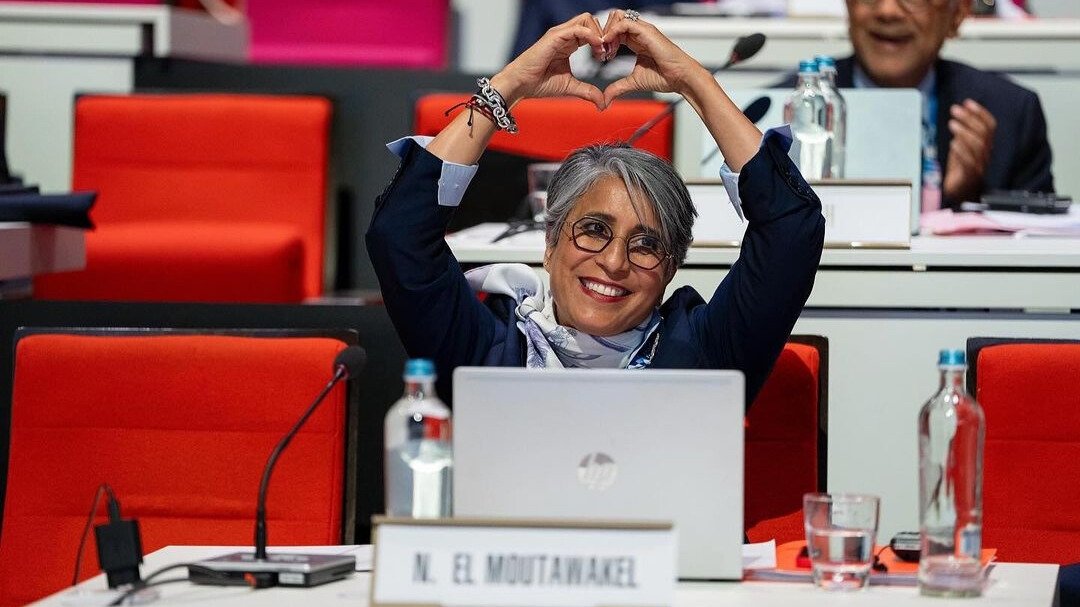
She also serves as an International Olympic Committee vice president. Her career shows how excellence in sport can create lasting social impact.
Key Takeaways
- Athletic achievement can break significant social and cultural barriers.
- The 1984 Olympic victory was a historic first for multiple regions and communities.
- Success in sports can be a platform for leadership in global organizations.
- This champion is recognized as one of the greatest female athletes in history.
- Her legacy continues to inspire new generations in athletics and beyond.
- Leadership roles in sport governance are a key part of her enduring impact.
Early Life and Rise to Fame
The journey from a young athlete in Casablanca to an Olympic champion began with relentless dedication and a powerful dream. Nawal El Moutawakel’s early career was marked by intense training and a clear focus.
Background and Early Career
Her talent on the track was evident from the start. She honed her skills with a determination that set her apart from her peers.
Historic Olympic Triumph
The defining moment came at the 1984 Los Angeles Games. In the inaugural women’s 400 meters hurdles final, she raced to gold in 54.61 seconds.
This time set a new African record. She defeated favored athletes like American Judi Brown and Romania’s Cristina Cojocaru.
Her victory was monumental. She became the first Arab woman, first African woman, and first Muslim woman to win Olympic gold.
Back in Morocco, King Hassan II celebrated her win. He declared that all girls born on that victory day would carry her name.
This act showed how her triumph became a moment of immense national pride and inspiration.
Nawal El Moutawakel: Athletic Prowess and Achievements
The 1980s witnessed a hurdler whose speed and consistency redefined African athletics. Her prowess was built on a foundation of technical skill and competitive grit.
Breakthrough on the Track
Her historic run at the 1984 Los Angeles Games was a masterclass. She clocked 54.61 seconds to win gold in the women’s 400 meters hurdles.
This time set a new African record. It showcased her world-class speed and flawless technique over the barriers.
Record-Breaking Performances
She dominated the African Championships throughout the early 1980s. The athlete collected five gold medals across events like the 100m hurdles and 400m hurdles.
Her victories at the Mediterranean Games in 1983 and 1987 proved her ability to peak repeatedly. This consistency marked her as a truly elite competitor.
Her technical mastery and tactical intelligence set standards for a generation.
Leadership, Politics and Lasting Impact in Sports
Beyond the finish line, a champion’s influence can reshape national policy and international sports governance. Nawal El Moutawakel’s Olympic victory launched a lifetime of service.
Her success on the track provided a platform for leadership in both political and global sports arenas.
Influential Roles in International Sports Organizations
She served as an International Olympic Committee vice president. This role let her shape global sports policy.
Her voice also reached the United Nations. She became a UN Goodwill Ambassador for the Millennium Development Goals in 2011.
This built on her earlier work as a UNICEF ambassador.
Political Milestones and National Influence
In Morocco, her athletic fame led to high office. King Hassan II appointed her Secretary of State for Youth and Sports in 1997.
She later rose to full cabinet minister rank in 2007. Her election to the national parliament followed in 2016.
These political milestones cemented her national influence.
Global recognition followed her decades of work. She received the Laureus Lifetime Achievement Award in 2010.
In 2024, the International Sports Press Association ranked her the fourth-best female athlete of the past century.
Conclusion
An Olympic moment can define a career, but leadership defines a lasting legacy.
The champion’s 54.61-second run in the women’s 400 meters hurdles was a historic first. This victory in athlétisme made her the first femme from her regions to win gold. Her African record in the 400 mètres haies remains a landmark in Olympic histoire.
Nawal El Moutawakel built a full life alongside her career. She is a wife and mother, showing balance is possible.
After racing, she dedicated herself to sports development. Her work with global committees helped shape the future of international sports.
Her story proves that breaking haies on the track can break barriers in society. It continues to inspire new generations in sports and beyond.
FAQ
What is Nawal El Moutawakel best known for in her athletic career?
She is best known for her historic victory in the 400-meter hurdles at the 1984 Los Angeles Games. This win made her the first Moroccan, Arab, and Muslim woman to earn an Olympic gold medal, breaking significant barriers in international sport.
What major roles has she held in global sports governance?
She has held influential positions with the Comité International Olympique (CIO) and the Fédération Internationale d’Athlétisme. Her leadership includes serving as a vice-president and being part of evaluation commissions for host cities, shaping the future of major events.
How did she contribute to sports and youth in Morocco beyond competing?
After her track career, she served as Morocco’s Ministre de la Jeunesse et des Sports. In this role, she worked to develop athletic programs and opportunities for young people across the nation, promoting health and competition.
What record did she set that stood for a long time?
Her winning time of 54.61 seconds in the 400-meter hurdles at the 1984 Olympics set a new benchmark. This performance remained a national record for many years and announced her arrival on the world stage as a champion.
Why is she considered a pivotal figure for women in sports?
By winning gold and later taking on high-profile leadership roles, she demonstrated that women could achieve the highest honors in athletics and governance. Her entire parcours inspires young female athletes globally to pursue their dreams in sport.